Inside the Latest Parliamentary Debates
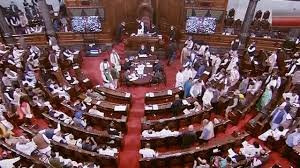
Inside the Latest Parliamentary Debates
Parliamentary debates are at the heart of any functioning democracy, serving as a forum where elected representatives discuss, challenge, and shape national policies. "Inside the Latest Parliamentary Debates" provides a close look at the current issues occupying lawmakers' attention, reflecting the priorities, conflicts, and political dynamics of the moment.
In recent months, parliamentary chambers across the world have been buzzing with debates that span a range of pressing topics—economic recovery, national security, social welfare reforms, environmental policy, and the regulation of emerging technologies. These discussions not only inform legislation but also offer insights into how different political factions view the country’s challenges and how they propose to address them.
One of the key issues dominating debate in many parliaments has been the economy. With inflation, job creation, and housing affordability high on the public agenda, legislators are clashing over budget allocations, taxation strategies, and stimulus plans. While some parties push for increased government spending to support struggling households and businesses, others argue for fiscal restraint and the reduction of national debt. These exchanges highlight the ideological divide between progressive and conservative economic philosophies, often sparking passionate and prolonged debates.
Climate change is another recurring theme. Governments are facing increasing pressure to meet international climate commitments, and this urgency is being reflected in heated parliamentary discussions. Lawmakers are debating the implementation of green energy policies, emissions reduction targets, and sustainable infrastructure projects. Disagreements typically revolve around the pace of transition, its economic implications, and how to ensure a just transition for workers and communities reliant on traditional industries.
Social policy remains a contentious topic as well. Recent parliamentary sessions have included debates on healthcare funding, education reforms, and measures to address social inequality. Issues like gender rights, racial justice, and access to mental health services have also surfaced, with members of parliament (MPs) advocating for more inclusive and equitable policies. These debates often reveal the cultural and moral undercurrents within a society, as representatives voice their constituencies’ deeply held beliefs and concerns.
Technological governance is an increasingly important focus too. With rapid advances in artificial intelligence, data privacy, and digital platforms, parliaments are scrambling to keep legislation up to date. Recent debates have explored how to regulate tech giants, protect user data, and combat misinformation online—issues that impact both civil liberties and national security.
What’s particularly notable about today’s parliamentary debates is their visibility and accessibility. Many parliaments now livestream their sessions and provide transcripts, allowing citizens to follow proceedings more closely than ever before. This transparency strengthens democratic accountability and encourages public engagement, even as political polarization sometimes clouds constructive dialogue.
In conclusion, the latest parliamentary debates offer a window into the evolving challenges facing modern societies and the diverse ways in which policymakers attempt to address them. Whether grappling with economic turmoil, climate urgency, or social reform, these debates are a vital reflection of democracy in action—messy, complex, and essential.