Youth Engagement in Modern Politics
Youth Engagement in Modern Politics
Youth engagement in modern politics is rapidly gaining momentum, reshaping the way political discourse unfolds across the globe. As younger generations become more vocal and active, they are challenging traditional political structures and demanding a greater role in shaping the future. This shift is not only revitalizing democratic processes but also broadening the scope of political agendas to include issues that resonate deeply with younger populations.
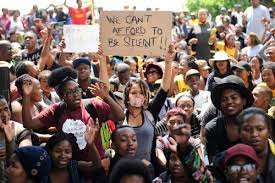
Today’s youth are more informed and connected than ever before, thanks to the rise of digital media and social platforms. These tools have empowered them to organize movements, amplify their voices, and hold leaders accountable in real time. From climate activism and racial justice to mental health and education reform, young people are at the forefront of many of the most urgent social and political issues of our time.
Across countries, we’re seeing increased participation of young voters in elections, as well as a growing number of young candidates running for office. They bring fresh perspectives, innovative ideas, and a passion for change that is often missing in more established political circles. Their involvement is challenging stereotypes of apathy and disinterest often associated with younger demographics.
However, barriers remain. Many young people still face systemic obstacles to political participation, including lack of representation, limited access to resources, and distrust in political institutions. Bridging this gap requires reforms that create inclusive spaces, invest in civic education, and provide platforms for meaningful youth involvement.
Ultimately, youth engagement is not just a trend—it is a vital component of a healthy democracy. As young voices continue to rise, they will increasingly shape policies, movements, and governance in ways that reflect the diverse and evolving values of modern society.